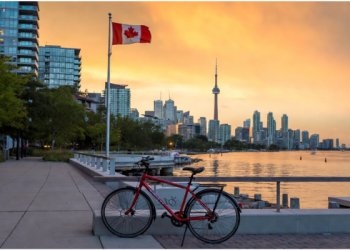



Many Canadians (and newcomers) assume a university degree is the only path to a six-figure income. That’s simply not true. Canada’s economy rewards skilled trades, high-risk roles, hands-on expertise, and experience in in-demand sectors like energy, construction, transportation, and public safety. With the right training, certification, apprenticeship, or on-the-job experience, you can earn well above the national average without student debt.
Top Contenders for Highest-Paying No-Degree Jobs in Canada
Salaries vary significantly by province (Alberta and resource-heavy regions often pay the most), experience, overtime, location premiums, and union status.
Here are the standout options based on recent data:
1. Miners / Mining Roles
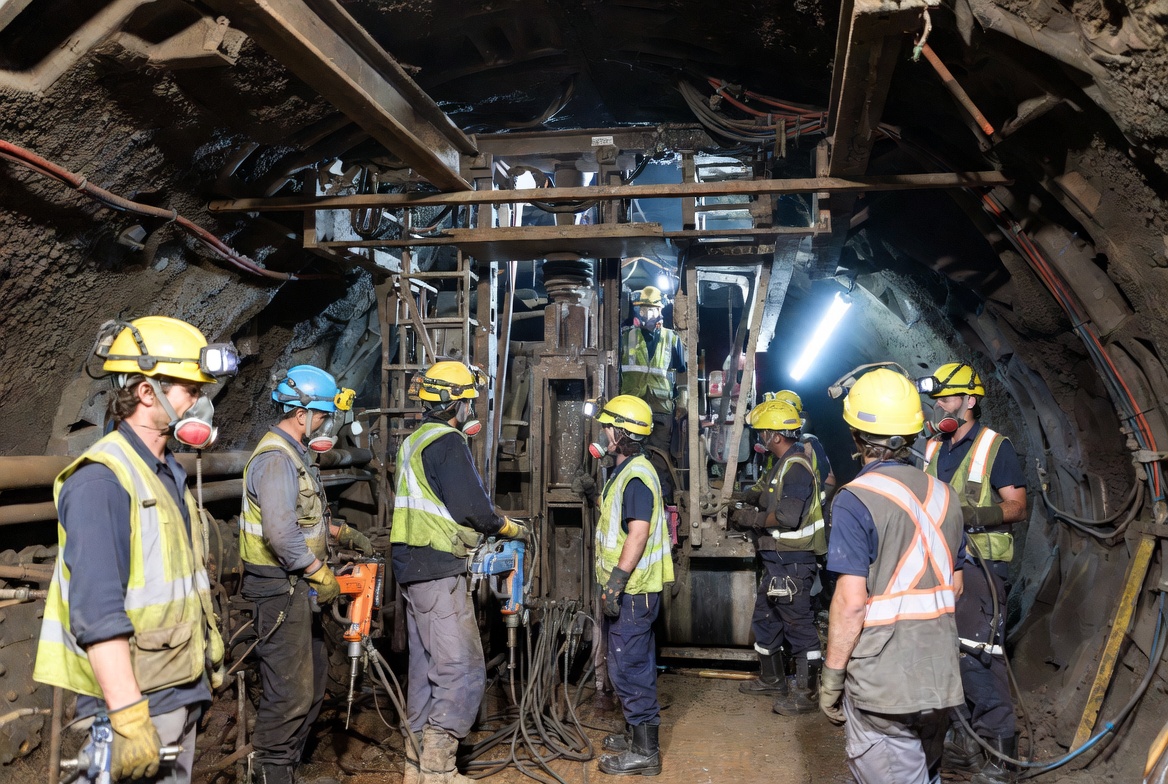
Often top lists with national averages around $127,000–$149,000. Underground or heavy equipment roles in remote sites pay premiums for hazard and isolation.
Common Requirements
Entry-level mining jobs may require:
- high school diploma
- driver’s license
- physical fitness
- drug and alcohol testing
- safety certifications
Some underground roles may also require provincial mining certifications.
2. Powerline Technicians
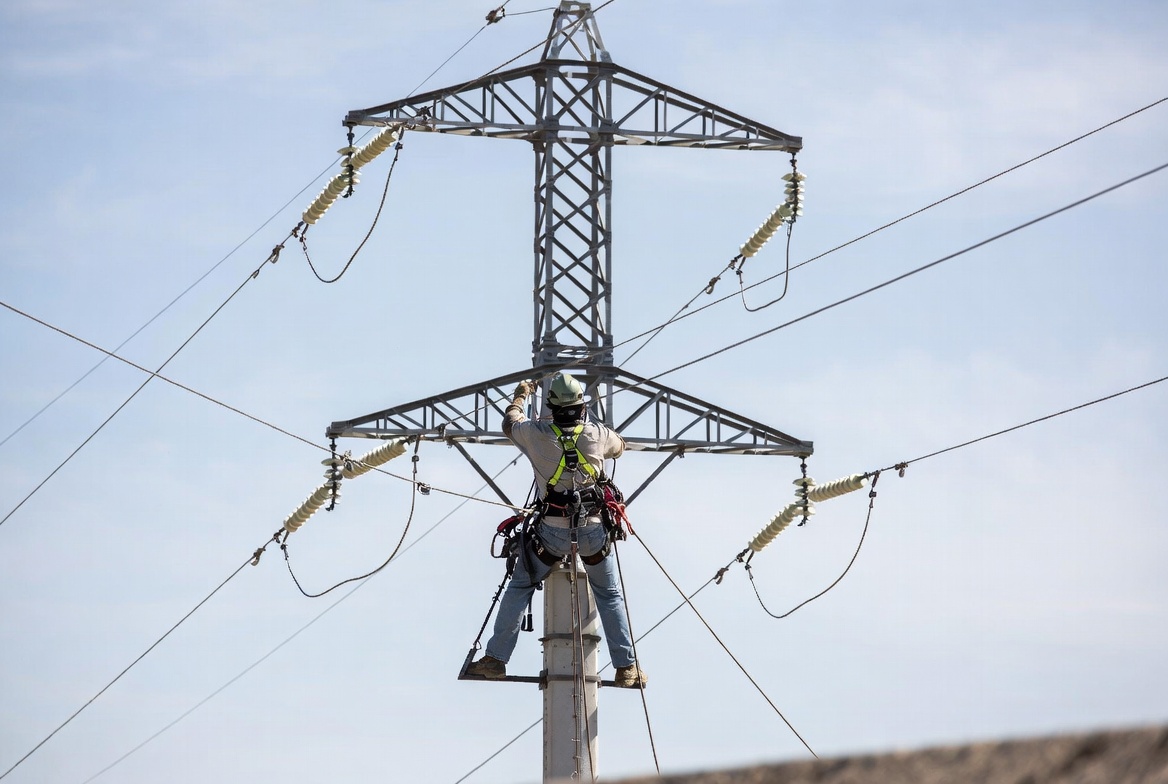
Up to $100K+ (often $45–$55/hour). High-risk work maintaining electrical infrastructure drives strong demand and compensation.
Requirements
Typical requirements include:
- high school diploma
- strong physical fitness
- comfort working at heights
- valid driver’s license
A commercial driver’s license can also help.
3. Elevator Mechanics / Installers
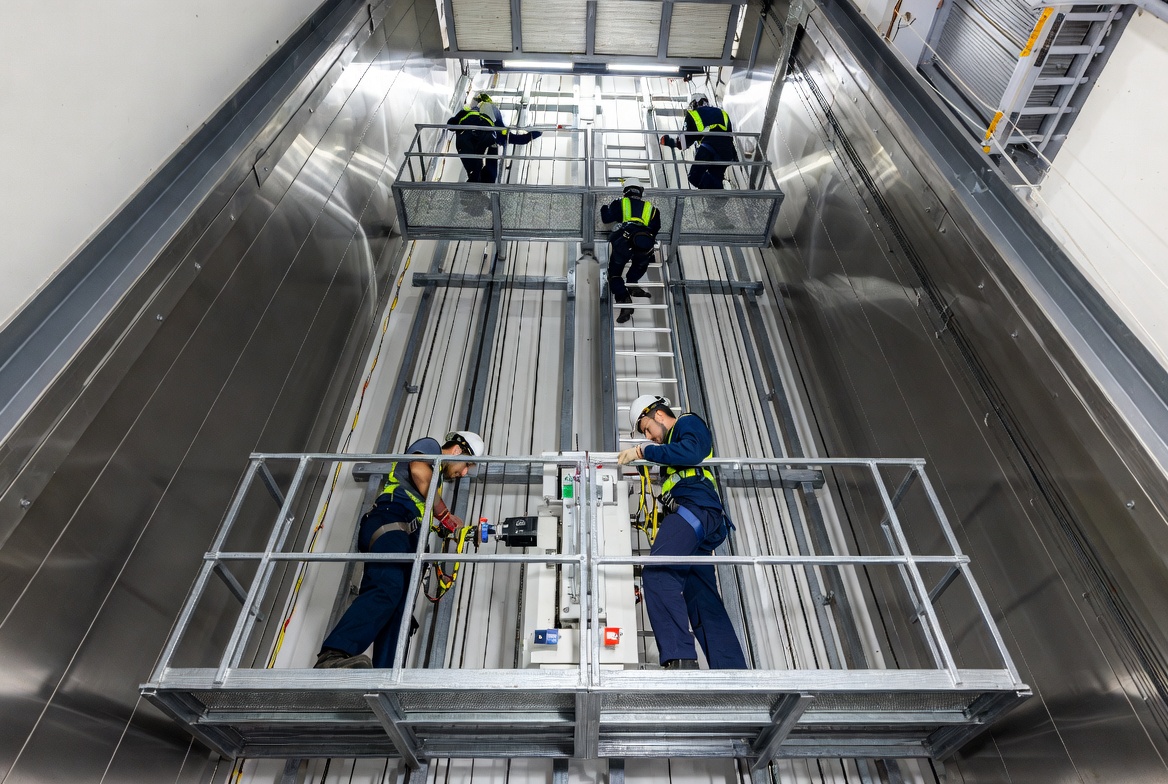
$70K-$120K+. Specialized, regulated trade with limited supply of qualified workers.
Helpful skills:
- mechanical ability
- electrical troubleshooting
- physical fitness
- comfort working at heights
4. Firefighters
Averages reported from ~$77K base nationally up to $166K in high-overtime cities like Calgary (where it can reach $187K). Includes excellent benefits and pensions. Physical fitness and training academy are key.
Common Requirements
Departments may require:
- high school diploma
- driver’s license
- medical exams
- physical testing
- firefighter academy certification

5. Construction Managers / Certain Supervisory Roles
$93K–$109K+ with experience. Many rise through the ranks without a degree.
Skills That Matter
- leadership
- reliability
- trade knowledge
- communication
- safety management

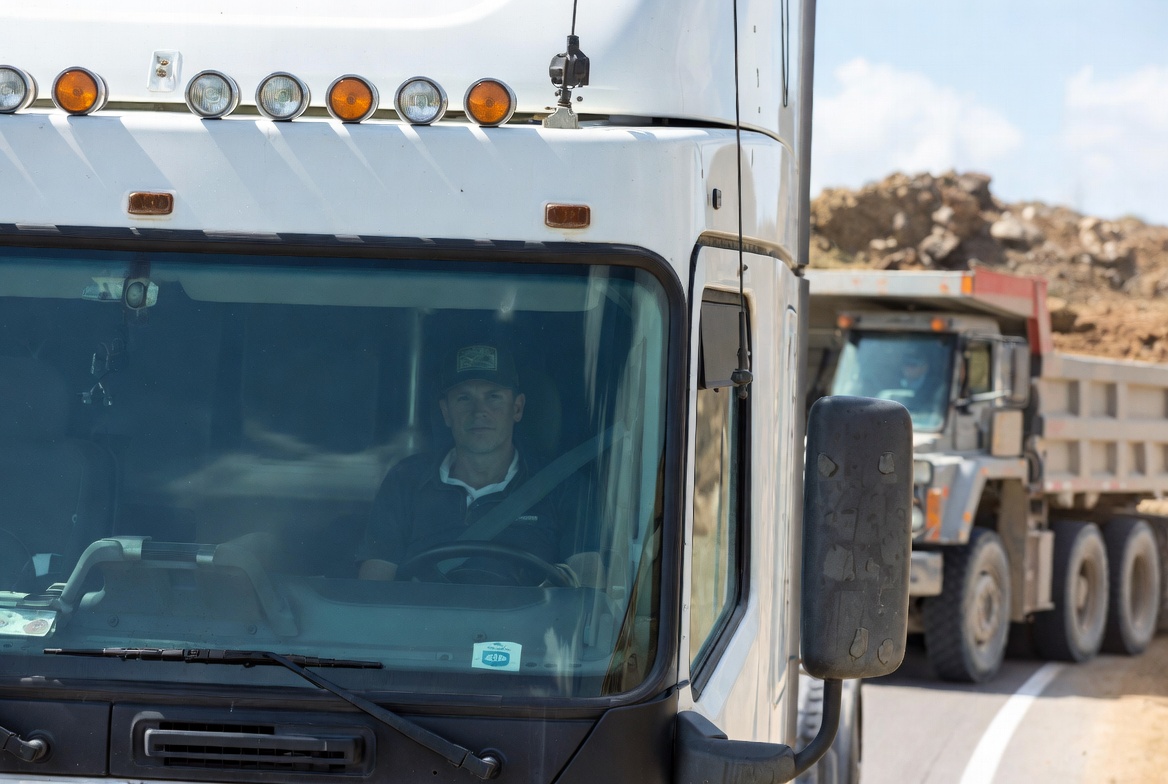
6. Truck Drivers (Long-Haul, Specialized, or Dump Truck)
$50K–$90K+ (some reports up to $145K for high-volume or remote routes). Accessible entry with a commercial license.
Beginner Steps
- Attend truck driving school
- Obtain a commercial license
- Complete road testing
- Apply for entry-level driving jobs
- Higher-Paying Areas
The best-paying trucking jobs often involve:
- long-haul routes
- hazardous materials
- oilfield work
- remote routes
- oversized loads
7. Other Strong Trades
Plumbers/pipefitters ($72K-$98K), Electricians ($72K-$88K), Welders, Heavy Equipment Operators, and HVAC technicians. Senior or industrial roles easily exceed $90K–$120K.
Other notables include police officers (~$89K-$91K), real estate agents (commission-based, strong earners hit $100K+), airline pilots (with flight training), and maintenance managers.
Note: “Highest” depends on your definition-base pay, total compensation with overtime/benefits, or earning potential. Resource sector and unionized public safety roles frequently lead in total pay.
Why These Jobs Pay Well Without a Degree
Skill shortages: Canada needs more tradespeople, drivers, and technicians due to retiring workers and infrastructure/mining growth.
Risk and conditions: Remote work, physical demands, shift work, or hazard pay boost compensation.
Experience & certification over academics: Apprenticeships, short college diplomas (1-2 years), trade tickets, or on-the-job progression matter more.
Location matters: Alberta (oil, mining, construction), Saskatchewan, and Northern BC often pay the highest. Urban centers offer stability but sometimes lower base rates.
How to Get Started (No Degree Required)
High School Diploma + Targeted Training – Most roles need this plus specific certs (e.g., CDL for trucking, Red Seal for trades, or apprenticeship programs).
Apprenticeships – Paid training in trades like electrician, plumber, or powerline tech. Earn while you learn.
Short Programs – Colleges offer diplomas in heavy equipment operation, welding, or HVAC (often under 1 year).
Licensing/Testing – Real estate, firefighting (fitness + academy), or pilot training.
Entry Points – Start as a laborer, helper, or junior operator and promote quickly with reliability and skills.
Government sites like Job Bank Canada and provincial apprenticeship programs are great resources. Newcomers may access LMIA-supported roles in trucking or construction.
Pros and Cons to Consider
Pros:
- Faster entry into the workforce (months vs. years).
- Strong job security and demand.
- Potential for overtime, bonuses, pensions, and benefits.
- Tangible, rewarding work.
Cons:
- Physically demanding or hazardous (weather, heights, remote sites).
- Irregular hours/shifts.
- Initial training costs or relocation may be needed.
- Slower career progression in some fields without further certs.
Final Thoughts: Is a No-Degree Path Right for You?
The highest-paying jobs without a degree in Canada-such as mining, powerline work, specialized trades, or public safety roles-prove that practical skills and dedication can outperform traditional academics for many people. In 2026, with ongoing labor shortages, these paths offer excellent earning potential, stability, and fulfillment.
Research your province’s specific requirements, talk to people in the field, and consider your lifestyle fit (e.g., willingness for physical work or travel). Whether you’re a recent grad, career changer, or newcomer, hands-on careers can lead to strong financial security.
Start exploring apprenticeships or certifications today-your next high-paying opportunity might not require a campus at all. What field interests you most?