


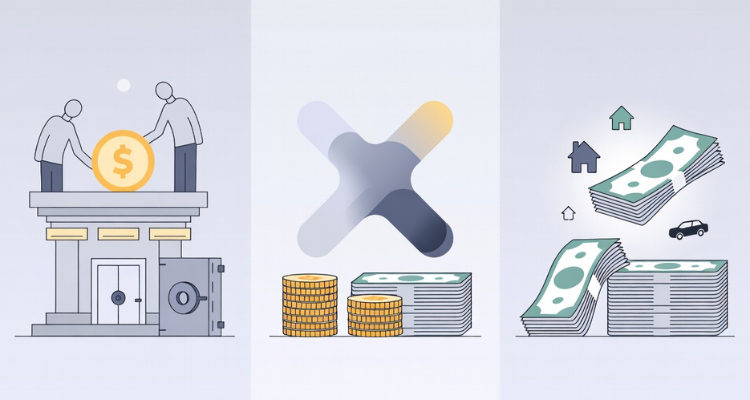
Hey there! If you’re new to money stuff and you’ve ever wondered, “Wait… how do Canadian banks actually make their billions?”, you’re not alone. Most of us open a chequing account, deposit our paycheque, and never really stop to think about what happens next.
Think of a bank like your friendly neighbourhood middle person. You hand over your money for safekeeping, and they use it to help other people (and businesses) borrow what they need. In return, the bank keeps a little extra for itself. It’s not magic.
In this beginner finance guide, we’re going to break down how banks make money in the simplest way possible. By the end, you’ll understand exactly where your savings go, why your mortgage costs more than your savings earn, and why that matters to you.
Let’s start with the basics.
Mini Glossary: Quick, Simple Definitions
Before we dive in, here are a few everyday terms you need to know.
Interest is the extra money you pay when you borrow, or the small reward you earn when you let someone else (like a bank) use your money. An interest rate is just the percentage of that extra amount like 2% or 5%.
The spread (also called net interest margin) is the difference between what the bank earns from loans and what it pays you on savings. This gap is the bank’s biggest source of profit.
A mortgage is a long-term loan used to buy a home, usually paid back over many years. And fees are the small (sometimes not-so-small) charges banks apply for using their services.
Now that the basics are clear, let’s look at how Canadian banks actually turn your everyday banking into profit.
1. Interest Income: The Main Way Banks Make Money
The biggest way banks make money is through interest.
Imagine you deposit $100 into a savings account. The bank might pay you 2% interest, so after a year you have $102. That’s your reward for letting them use your money.
But the bank doesn’t just store that $100. It lends most of it to someone else. Maybe a neighbour buying a car or a family purchasing a home, so the bank charges them a higher interest rate, say 6%.
Then the bank pays you 2% but earns 6% on the same money. That 4% difference is called the spread, and when you multiply it across millions of customers, it becomes a massive source of profit.
In Canada, savings accounts often pay around 1-3%, while mortgages may be 4-6%, and credit cards can go above 20%. That gap is how banks generate billions in interest income every year.
2. Fees and Charges: The Everyday Service Money
Banks also make money through fees, similar to how any service business charges for convenience.
These fees are called non-interest income, and they form a steady and predictable part of a bank’s earnings. Running branches, ATMs, mobile apps, security systems, and customer service all cost money, and fees help cover those operational expenses.
Common examples include:
- Monthly account fees.
- Overdraft charges when you spend more than you have.
- ATM fees for using machines outside your bank’s network.
- Credit card penalties like late fees.
Fees from across millions of customers add up to a significant amount of revenue. Banks value these because they remain stable regardless of changes in interest rates.
3. Loans and Mortgages: Long-Term Profit Engines
Loans are where banks generate consistent, long-term income, especially mortgages.
When you take out a mortgage, you’re borrowing a large sum of money, often hundreds of thousands of dollars, and paying it back over many years with interest. Over time, the bank earns a substantial amount from that interest.
Interest rates depend on risk. Safer loans, like mortgages backed by property, usually have lower rates. Riskier loans, like credit cards or unsecured personal loans, carry higher interest because there’s a greater chance of non-payment.
This balance between risk and return helps banks stay profitable while managing potential losses.
4. Investments and Trading
Beyond loans and fees, banks also make money through investments and financial services.
They invest in assets such as stocks (ownership in companies) and bonds (loans to governments or corporations that pay interest). Many banks also offer wealth management services, helping customers invest their savings for a fee.
Large banks also operate in capital markets, trading financial instruments and managing large investment portfolios.
Real Examples: Canada’s Big Banks
Canada’s banking system is dominated by five major institutions, often called the “Big Five”:
- Royal Bank of Canada
- Toronto-Dominion Bank
- Bank of Nova Scotia
- Bank of Montreal, and
- Canadian Imperial Bank of Commerce
They all follow the same core model:
- Take deposits at low cost,
- Lend at higher rates,
- Charge fees for services,
- Offer financial products like credit cards, mortgages, and investment solutions.
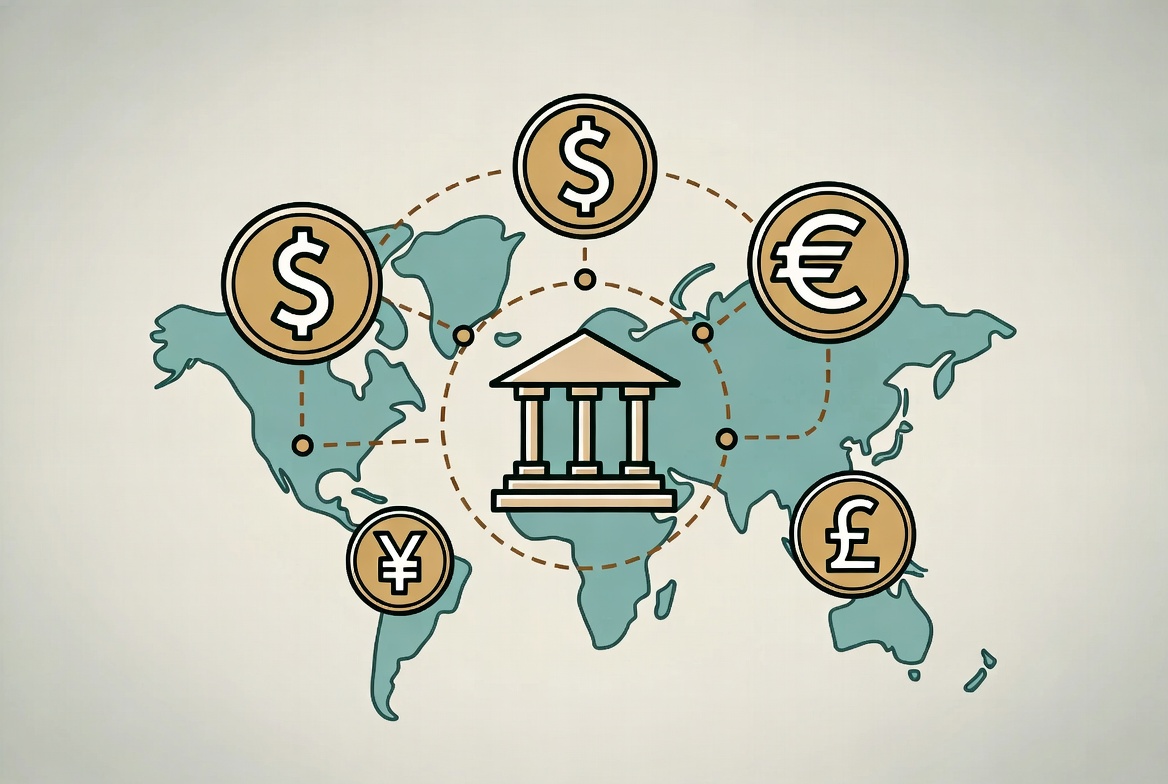
Why This Matters to You
Understanding how banks make money helps you make smarter financial decisions.
It explains why your savings earn less than your loans cost, the bank needs that difference to operate and make a profit. It also shows why comparing interest rates can save you thousands over time.
Small fees that seem insignificant can add up, so choosing the right account matters. And when you understand how banks work, you’re in a better position to avoid unnecessary costs and use their services more effectively.