



Renting your first (or next) home in Canada is an exciting milestone – but it can feel overwhelming with varying provincial rules, competitive markets in cities like Toronto, Vancouver, and Montreal, and the need to protect yourself legally and financially. This comprehensive checklist covers everything from planning to move-in and beyond, helping you navigate the process smoothly.
1. Before You Start Searching: Get Your Finances and Priorities in Order
- Set a realistic budget: Aim for rent and related costs at no more than 30–35% of your gross monthly income. Factor in utilities, parking, internet, renter’s insurance, and transit. Use a budget planner to map this out.
- Decide on location and needs: Consider commute, walkability, safety, amenities (groceries, parks, transit), noise levels, and whether you want roommates. Research neighbourhoods thoroughly.
- Check your credit: Landlords often run credit checks. Get your free report and be prepared to explain issues or provide a guarantor if you’re new to Canada or have limited history.
- Gather documents early:
- Government-issued photo ID (passport, driver’s licence, PR card).
- Proof of income (recent pay stubs, employment letter, bank statements).
- References (previous landlords, employers).
- Credit report or consent for one.
- Rental history (if available); for newcomers, offer letters or savings proof.
- Know your provincial rights: Laws on deposits, rent increases, and evictions vary significantly. Check your province/territory’s residential tenancy branch (e.g., Ontario LTB, BC RTB, Quebec TAL).
Pro tip: Never send money or personal info before viewing a place in person. Watch for scams like suspiciously low rents or requests for deposits without a lease.

2. Searching and Viewing Properties
- Use multiple platforms: Rentals.ca, Kijiji, Facebook Marketplace (with caution), property management sites, and university boards.
- Schedule viewings strategically: Visit at different times of day to check noise, light, and cell/Wi-Fi signal. Bring a friend, phone/camera, tape measure, charger (to test outlets), and a checklist.
Key things to inspect (use this as your viewing checklist):
General:
-
- Walls, ceilings, floors (cracks, stains, mould, damage).
- Doors/windows (open/close/lock properly, no drafts).
- Lighting and outlets (all working, grounded).
- Heating/cooling (controls, functionality).
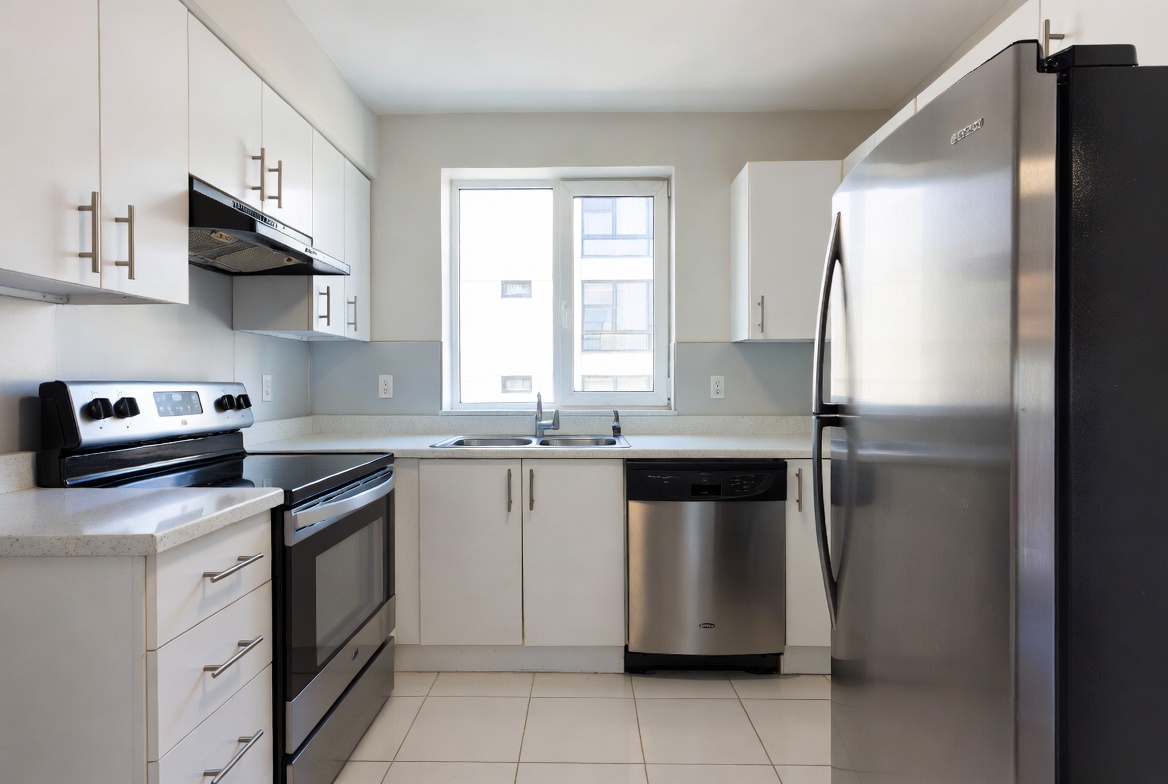
Kitchen:
-
- Appliances (fridge, stove, etc., test if possible).
- Sink, counters, cabinets (water pressure, drains, cleanliness).
Bathroom:
-
- Toilet, shower/tub (pressure, hot water, no leaks/mould).
- Ventilation.
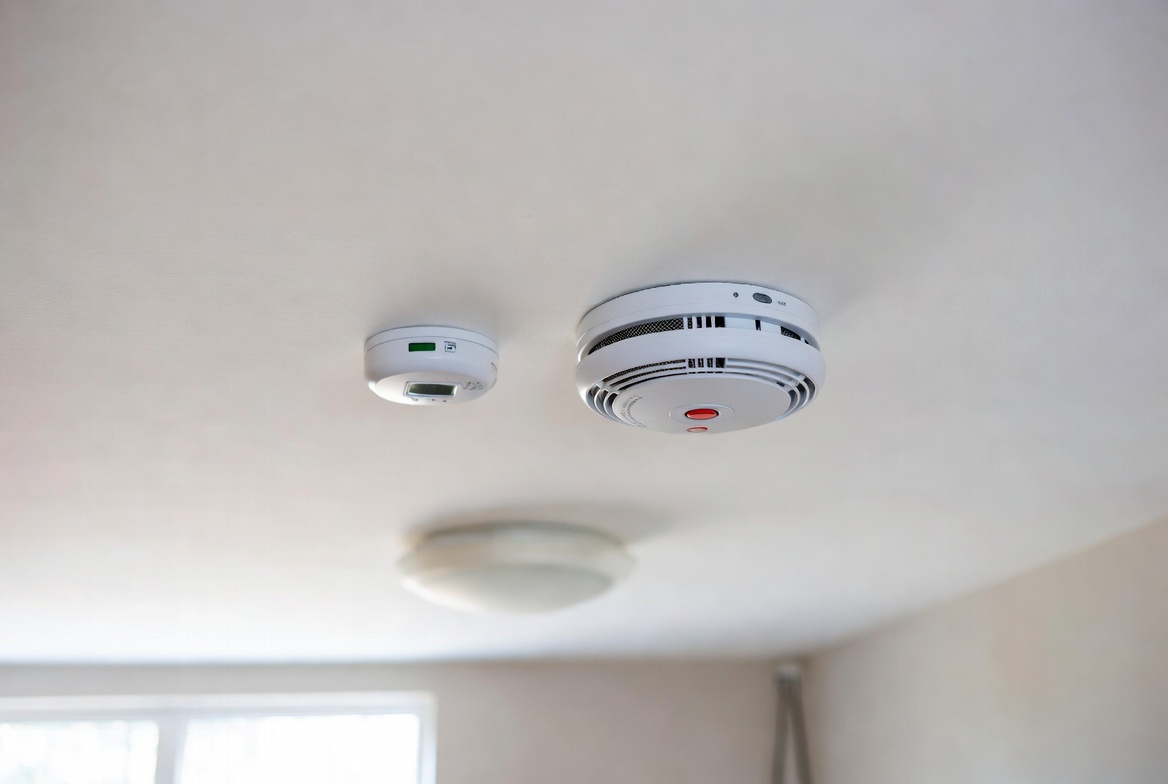
Safety & Security:
-
- Smoke and carbon monoxide detectors.
- Locks, peephole, building security.
- Fire exits and extinguisher.
Other:
-
- Laundry facilities, parking (included? cost?), storage.
- Utilities (what’s included?), garbage disposal.
- Pests, odours, or maintenance issues.
- Neighbourhood vibe and common areas.
Ask these questions:
-
- What’s included in rent vs. extra (utilities, parking)?
- Pet policy and fees?
- Maintenance process and response time?
- Lease length, renewal, and rent increase rules?
- Subletting or roommate policies?
Take photos/videos of everything, especially pre-existing damage.
3. The Application Process
- Submit a complete package quickly in competitive markets.
- Expect a credit/background check and references verification.
- Be professional and responsive – landlords screen for reliability.
4. Reviewing and Signing the Lease
- Get everything in writing: Review the full rental agreement carefully.
- Key items to confirm:
- Rent amount, due date, payment method, late fees.
- Deposit details (varies: e.g., Ontario allows last month’s rent only; BC up to ½ month
- security + pet deposit; Quebec often none).
- Term (fixed or month-to-month), renewal, and termination notice.
- Utilities and responsibilities.
- Rules (pets, guests, alterations).
- Move-in/move-out inspection process.
- Do a joint condition inspection with the landlord and document everything before moving in.
- Understand your rights: Quiet enjoyment, repairs by landlord, proper notice for entry, limits on rent increases (where applicable).

5. Preparing to Move In
- Budget for upfront costs: First (and possibly last) month’s rent, moving expenses, utility setup fees, renter’s insurance, furniture/essentials.
- Set up services: Hydro, gas, internet, water (if not included). Forward mail and update your address.
- Get renter’s insurance: Protects your belongings and liability—highly recommended and often inexpensive.
- Plan move-in day: Confirm key pickup, elevator booking (if in a building), and do the final walkthrough.
6. After Moving In: Settle and Protect Yourself
- Unpack and document the unit again if needed.
- Pay rent on time and report issues promptly (in writing).
- Maintain the property and follow rules.
- Build a good relationship with your landlord through clear communication.
- Keep records of all communications, payments, and repairs.
Bonus Tips for Success
- For newcomers or students: Offer extra references, guarantors, or proof of funds.
- Track expenses and review your lease before renewal.
- Know dispute resolution processes through your provincial board.
- Consider long-term goals: Strong rental history helps with future rentals or buying.
Renting in Canada gives you flexibility without the burdens of ownership like maintenance and property taxes. By being prepared, thorough, and informed about local rules, you’ll find a great place and avoid common pitfalls.
Start with your budget and documents today, and happy house hunting! If you’re in a specific province, double-check the official tenancy website for the most current details, as rules can evolve. This post is for informational purposes – consult official sources or a professional for personalized advice.